

HS Codes Explained: HS, CN and TARIC Codes for EU Exporters
What an HS code is, how CN and TARIC codes extend it in the EU, what a wrong code can cost, and when Binding Tariff Information is worth it.
5 min read
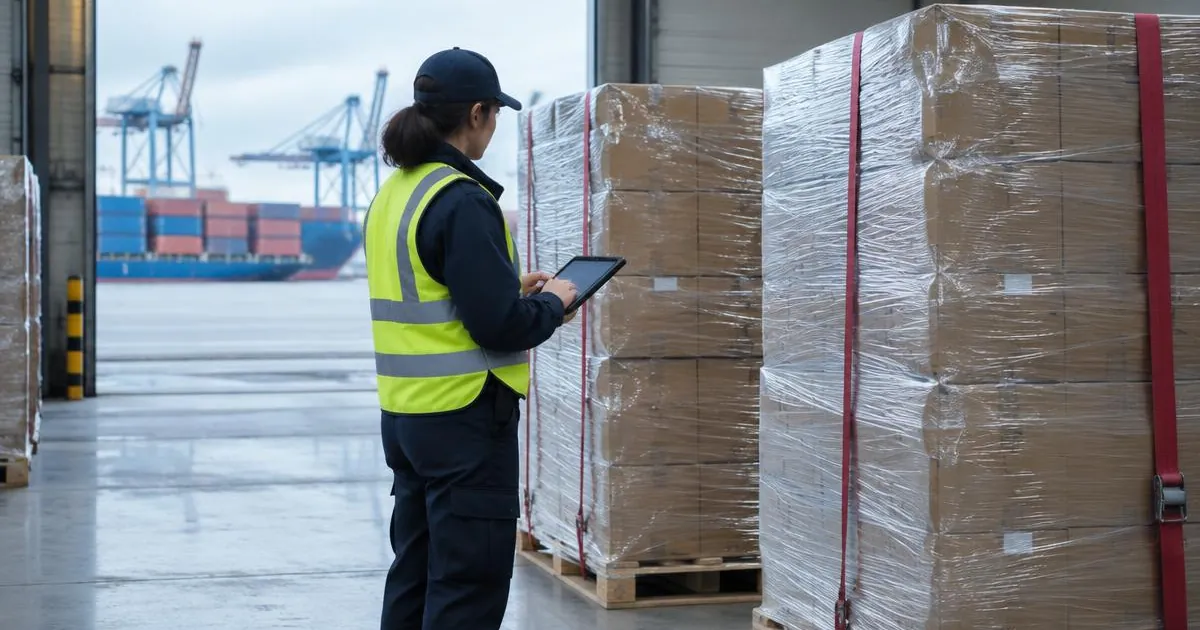
An HS code is the six-digit number that classifies a product for customs anywhere in the world. In the EU, exporters extend it to an eight-digit CN code, and imports from outside the EU need a ten-digit TARIC code. The code decides the duty rate, which documents are needed and whether any restrictions apply, so getting it right is part of every export quote.
This article is general information, not legal or customs advice.
What is an HS code?
HS stands for the Harmonized System, maintained by the World Customs Organization. According to the WCO's page What is the Harmonized System, it covers more than 5,000 commodity groups, each identified by a six-digit code. It is used by more than 200 countries and economies, and over 98 percent of merchandise in international trade is classified in it.
Because the first six digits are the same everywhere, an HS code is a shared language between seller, buyer, forwarder and customs. A box printer in Poland and an importer in Norway should start from the same six digits for the same product.
How often do HS codes change?
The WCO updates the system every five to six years. The next edition, HS 2028, is the eighth edition and contains 299 sets of amendments that take effect on 1 January 2028, as listed on the WCO page for amendments effective from 1 January 2028. Codes in your product master data and on supplier quotes may need updating when it starts to apply.
HS code, CN code and TARIC code: what is the difference?
The EU adds detail on top of the six HS digits.
| Code | Digits | Used for |
|---|---|---|
| HS code | 6 | Worldwide basis for classification |
| CN code (Combined Nomenclature) | 8 | EU export declarations and statistics |
| TARIC code | 10 | Imports into the EU, with duties and measures |
The European Commission describes the Combined Nomenclature as a further development of the HS. It is updated every year and published as a stand-alone regulation in the EU's Official Journal. Finnish Customs confirms that imports need a 10-digit commodity code and exports an 8-digit one.
What TARIC adds
The EU Customs Tariff (TARIC) is a database of the measures linked to each code: third-country duties, tariff preferences, suspensions and quotas, anti-dumping and other trade defence duties, and import and export prohibitions or controls. The Commission notes that TARIC data is sent daily to national customs administrations, so always check the current version rather than an old spreadsheet.
Why the right HS code matters for exporters and importers
The Netherlands Chamber of Commerce (KVK) sums it up in its guide to HS codes and how to find the right one: the correct code determines how much import duty is paid. Using a wrong code can lead to the following:
- paying the wrong duty rate;
- missing licences, certificates or other required documents, which can delay clearance;
- a later claim for underpaid duty, which customs can collect for up to three years after import.
If you paid too much, KVK notes you can ask for a refund, also within three years. Finnish Customs is clear on responsibility: the importer or exporter, not customs, is responsible for classifying the goods correctly.
Codes from your supplier
Supplier quotes and invoices often show an HS code. KVK advises treating these as a starting point to verify, not as a final answer. Advice from a customs adviser or forwarder is useful but not legally binding.
How to find the HS code for your product
- Describe the product precisely: what it is, what it is made of, how it works and what it is used for. Finnish Customs lists these as the facts you need.
- Search the official tariff: use your national customs tariff tool or the EU TARIC database, starting from the chapter that matches the material or function.
- Read the notes: section and chapter notes often include or exclude products in ways the heading text does not show.
- Check for measures: see whether duties, quotas, anti-dumping duties or restrictions are linked to the code.
- Document your reasoning so you can explain the choice if customs asks later.
Example: describing a printed carrier bag
Imagine you export branded paper carrier bags and need to classify them. A useful description for classification would cover the material (paper or board, and its weight), the construction (glued, with twisted paper or textile handles), the decoration (printed with a logo) and the use (packaging for retail goods). Small details such as plastic handles or a laminated surface can change the answer, so include them.
The same approach works for any product in a quote: a roll-up banner stand with its bag, a set of printed folding cartons, or a gift box with an insert. Write the description once, keep it with the code you chose, and reuse it for future shipments.
When to ask for Binding Tariff Information
If a product is hard to classify, or a lot of duty depends on the answer, apply for Binding Tariff Information (BTI). The Commission's European Binding Tariff Information page explains that a BTI is a legal decision on the classification of a product, generally valid for three years throughout the EU and binding on all EU customs administrations and the holder. Applications go through the EU Customs Trader Portal, and valid and invalid decisions are published in the public EBTI database, which is also a good place to see how similar products were classified.
Swedish Customs adds that a BTI decision is normally free, although specific costs such as expert analysis or returning samples can be charged.
Putting HS codes into your quotes and requests
For cross-border orders, the code sits next to other customs details. Exporters also need an EORI number, and the agreed Incoterm decides who handles export and import clearance, see our guide to Incoterms 2020.
When you send a request on Flobid for goods that cross a customs border, ask suppliers to state the HS code they use with their quote. It helps you check landed costs early and spot differences between suppliers. You can start a request in any category and add the code to the description.
Sources
- What is the Harmonized System (HS)?, World Customs Organization
- Amendments effective from 1 January 2028, World Customs Organization
- Combined Nomenclature, European Commission, Taxation and Customs Union
- EU Customs Tariff (TARIC), European Commission, Taxation and Customs Union
- European Binding Tariff Information (EBTI), European Commission, Taxation and Customs Union
- Goods classification and commodity codes, Finnish Customs
- What are HS codes and how do you find the right one?, Netherlands Chamber of Commerce KVK
- Binding Tariff Information (BTI), Swedish Customs
Frequently asked questions
How many digits does an HS code have?
The HS code has six digits, while in the EU, exports use an eight-digit CN code and imports from outside the EU use a ten-digit TARIC code.
Who is responsible for choosing the right HS code?
The importer or exporter is responsible for classifying the goods correctly, not customs. A supplier's code is a useful starting point that you should verify.
How long is Binding Tariff Information valid?
A BTI decision is generally valid for three years throughout the EU and is binding on all EU customs administrations and the holder.