

Incoterms 2020 Explained: DAP, DDP, FCA and EXW for B2B Buyers and Suppliers
The 11 Incoterms 2020 rules in plain English, with a closer look at DAP, DPU, DDP, FCA and EXW, how to write the term in a quote and what to choose for European B2B orders.
5 min read
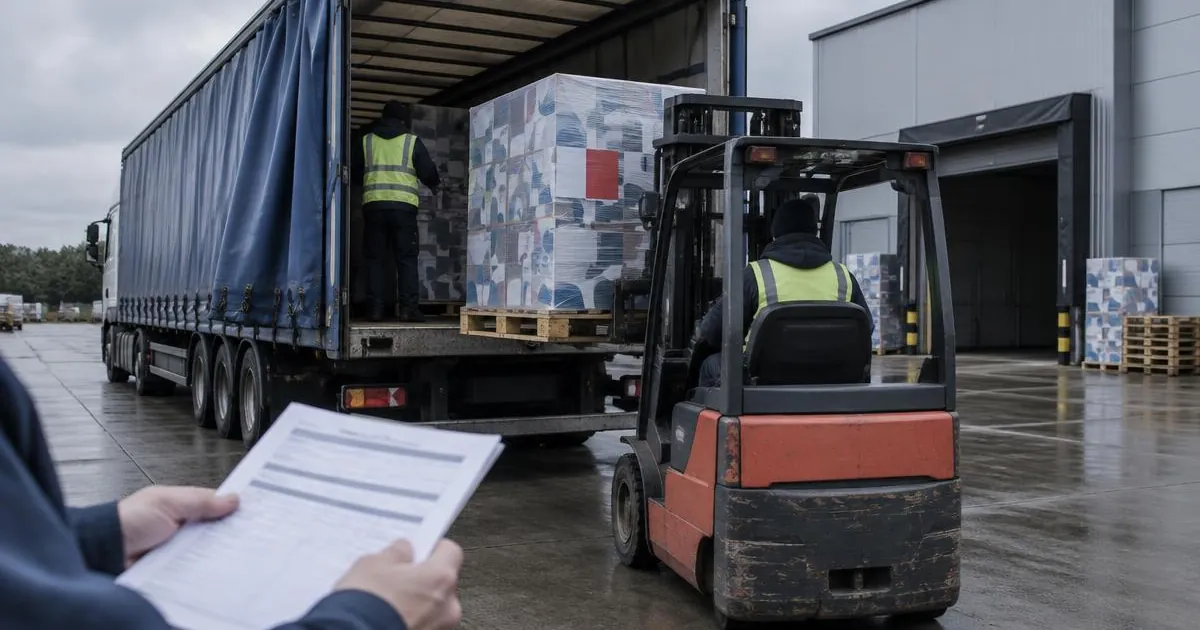
Incoterms 2020 are the standard delivery terms published by the International Chamber of Commerce (ICC). They say who arranges and pays for transport, where the risk passes from seller to buyer and who handles export and import formalities. Write the rule, the place and the version together, for example "DAP Stockholm, Incoterms 2020".
This guide explains the 11 rules, looks closely at the ones used most in European B2B trade and shows how to use them in a quote. It is general information, not legal advice; for contracts with large values or unusual routes, check with your forwarder or adviser.
What are Incoterms 2020?
Incoterms are, in the European Commission's words, international commercial terms: eleven terms of sale accepted worldwide that split costs and responsibilities between buyer and seller, and the ICC writes and updates them. According to the ICC's own history of the rules, the current version was launched in September 2019 and has been in use since 2020.
Are Incoterms 2020 still current?
Yes, and as of autumn 2026, logistics sources confirm that the rules in force are Incoterms 2020, and that the ICC has begun work on a revision laying the groundwork for Incoterms 2030. There is no "Incoterms 2025" or "Incoterms 2026". Keep writing "Incoterms 2020" in your contracts and quotes until a new edition is published.
The 11 Incoterms 2020 rules
The ICC divides the rules into two groups. Seven rules work for any mode or modes of transport, and four are only for sea and inland waterway transport.
| Group | Rules |
|---|---|
| Any mode of transport | EXW (Ex Works), FCA (Free Carrier), CPT (Carriage Paid To), CIP (Carriage and Insurance Paid To), DAP (Delivered at Place), DPU (Delivered at Place Unloaded), DDP (Delivered Duty Paid) |
| Sea and inland waterway only | FAS (Free Alongside Ship), FOB (Free on Board), CFR (Cost and Freight), CIF (Cost, Insurance and Freight) |
For road freight, parcels and most groupage within Europe, the first group is the relevant one. The sea rules are built around loading on a vessel, so FOB or CIF on a lorry delivery creates confusion.
The Incoterms 2020 rules most used in European B2B
EXW, Ex Works
The seller places the goods at the buyer's disposal at a named place, usually its own site. As DHL's guide notes, the seller does not need to load the goods onto the collecting vehicle or clear them for export. It is simple for the seller but puts almost all the work and risk on the buyer, which is hard for a buyer abroad.
FCA, Free Carrier
Risk and cost pass to the buyer when the goods are handed to the buyer's carrier at the named place, which may be the seller's premises or another location. FCA suits buyers who have their own freight contract but want the seller to hand the goods over to their carrier at an agreed point.
DAP incoterm: Delivered at Place
The DAP incoterm is the most common choice for a delivered price. The ICC explains that under DAP the seller pays for carriage to the named place and bears the risk until the goods are ready for unloading there. The buyer unloads, and the buyer also handles any import clearance and onward transport.
DPU, Delivered at Place Unloaded
DPU works like DAP, except that the seller also unloads. Risk passes once the goods are unloaded at the named place. Use it when the seller has the equipment or staff to unload, for example at a trade fair or building site.
DDP, Delivered Duty Paid
DDP puts the most on the seller: the goods must be cleared for import at the named place, so the seller also deals with import formalities and duties. The difference from DAP matters most when goods cross a customs border, for example from the EU to a country outside it. If you ship outside the EU, see when you need an EORI number.
DAP vs DDP vs FCA: which Incoterms 2020 rule to choose
| Situation | Rule that often fits |
|---|---|
| Buyer wants one delivered price to its warehouse | DAP |
| Seller must also unload, for example at a venue | DPU |
| Buyer uses its own carrier | FCA at the seller's site |
| Seller takes on import clearance and duties | DDP |
| Buyer collects and handles everything | EXW |
Whichever rule you choose, name the place precisely. "DAP Hamburg" leaves open where in Hamburg; "DAP, warehouse address, Hamburg, Incoterms 2020" does not. For sales to business buyers in other EU countries, the transport documents also matter for VAT; see intra-community supply explained.
Common mistakes with delivery terms
Most disputes about delivery terms come from small gaps in the wording rather than from the rules themselves. Check these points before you confirm an order:
- No named place: a rule without a place leaves open where risk passes and what freight is included.
- No version: older contracts may still refer to earlier editions, so state the version you mean.
- Sea rules for road freight: FOB or CIF on a lorry delivery invites arguments about when risk passed.
- Unclear unloading costs: under DAP the buyer unloads, and the ICC notes that the sales contract should state who pays unloading costs where the carriage contract does not cover them.
- Different terms in quote and order: if the quote says DAP and the purchase order says FCA, agree which one applies before production starts.
A short line in the order confirmation that repeats the rule, the full place and the version removes most of these risks.
Using Incoterms 2020 in a request for quotation
State the Incoterm you want so every supplier quotes on the same basis. If one quote is EXW and another DAP, you cannot compare them until you add freight and handling to the EXW price. Our guide on comparing supplier quotes shows how.
On Flobid, the quote form uses DAP by default, so prices include delivery to the place in your request. You can send a request and compare the quotes side by side.
Sources
- Incoterms, Access2Markets, European Commission
- Incoterms Rules history, International Chamber of Commerce
- Incoterms 2025 and Brazil: the next ICC revision explained, DHL (2026)
- Incoterms 2020 Introduction (free document), ICC Knowledge 2 Go (2019)
- Incoterms 101: A Guide for US Small Businesses, DHL
- Incoterms 2020: DPU or DAP?, ICC Academy
Frequently asked questions
What is the difference between DAP and DDP?
Under both rules the seller delivers to the named place. Under DAP the buyer handles import clearance and pays any import duties; under DDP the seller delivers the goods cleared for import.
What is the difference between DAP and DPU?
Under DAP the goods are delivered ready for unloading and the buyer unloads. Under DPU the seller also unloads the goods at the named place, at its own risk and cost.
Are Incoterms 2020 still valid?
Yes, Incoterms 2020 are still the rules in force. The ICC has started work on a revision expected to become Incoterms 2030, but no new edition has been published.
Which Incoterm is common for deliveries within Europe?
DAP is common when the buyer wants a delivered price. FCA suits buyers who use their own carrier, and EXW puts the most work on the buyer.